African American History Tour
Discover the people and places that shaped African American history in Macomb, Illinois. This self-guided experience highlights notable African American leaders, artists, athletes, and entrepreneurs whose lives left a lasting impact on Macomb and McDonough County. From civil rights leadership and Underground Railroad sites to achievements in music, athletics, and public service, each stop tells a powerful local story with national significance.
As part of Black History Month and the ongoing reflection of America 250, this experience explores how African American history is woven into the story of Macomb and the story of America.
1. Rev. C. T. Vivian: Life of a Servant Leader Mural
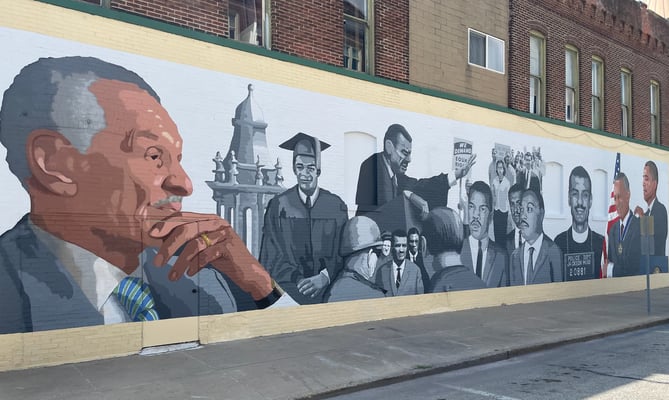
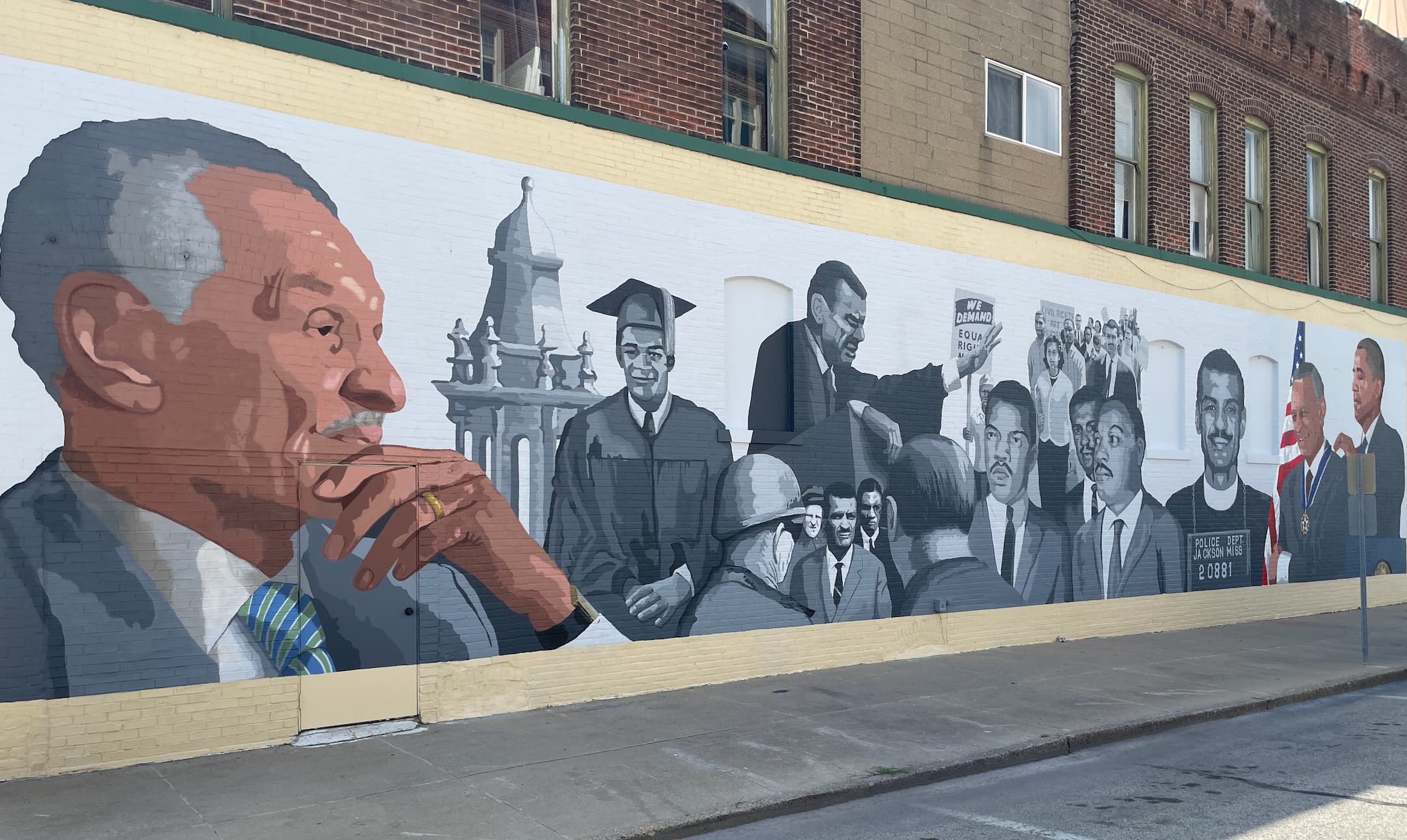
In recognition of one of Macomb’s greatest sons, the Macomb Area Convention & Visitors Bureau partnered with C.T. Vivian Project Foundation of Macomb founder and director Byron Oden-Shabazz and artist and former WIU Professor of Art, Michael Mahoney, to honor civil right pioneer Rev. Dr. C. T. Vivian.
At 18 feet high and nearly 75 feet long, Rev. C. T. Vivian: Life of a Servant Leader is McDonough County’s largest mural.
The work, which is displayed on the northern wall of the 135 N Randolph building, depicts Dr. Vivian late in life looking over the course of his storied lifetime from a young man graduating from Macomb High School and Western Illinois University through his varied experiences as a Reverend and leading activist in The Civil Rights Movement.
He worked shoulder to shoulder with Rev. Martin Luther King and lifelong friend Rep. John Lewis to receiving the Presidential Medal of Freedom from Barrack Obama.
2. Big Al Sears (Old Dairy Mural)
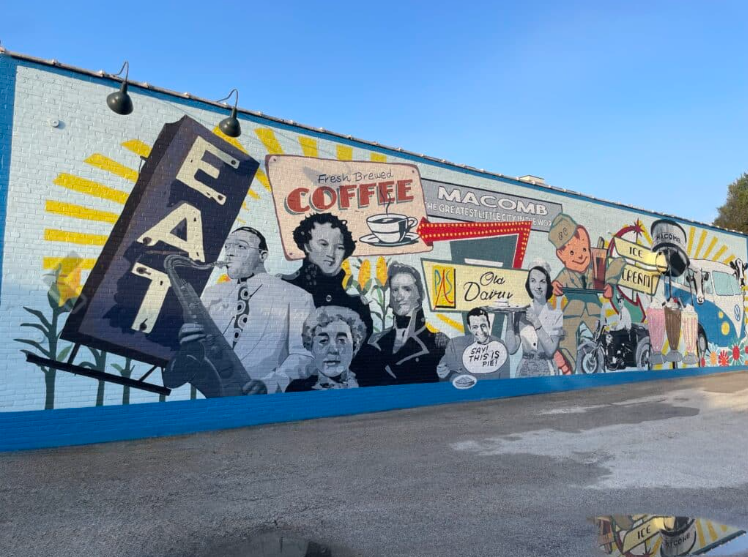
At nearly 15 feet high and stretching over 60 feet long, stands a whimsy of colorful display on the north side of the Old Dairy Cafe.
WIU Professor of Art, Bill Howard, along with WIU Art Professor Emeritus, Mike Mahoney, created a dazzling montage that pays tribute to both the history of Macomb and the Old Dairy itself.
Along with vintage pop culture images relating to food, diners and notable natives from Macomb, this mural features “Big” Al Sears, local jazz music legend and Rock & Roll Progenitor.
Albert Omega “Big” Al Sears (1910–1990) was a Macomb, IL native and a pivotal figure in the evolution of American music. A master saxophonist, he performed with jazz legends Fats Waller, Chick Webb, and Lionel Hampton before joining Duke Ellington’s Orchestra as a soloist in 1944. Sears played a crucial role in the birth of Rock ‘n’ Roll; his 1951 hit “Castle Rock” is credited by historians as a bridge between Jumpin’ Blues and the new genre. Beyond performing, Sears was a trailblazing executive at ABC-Paramount, where he broke racial barriers and protected the royalties of artists like Ray Charles. He later founded his own labels and recorded with Aretha Franklin, leaving a legacy as a primary progenitor of R&B, Soul, and Rock ‘n’ Roll.
Macomb hosts the annual Al Sears Music Festival in his honor, which takes place on Sept. 18-20, 2026.
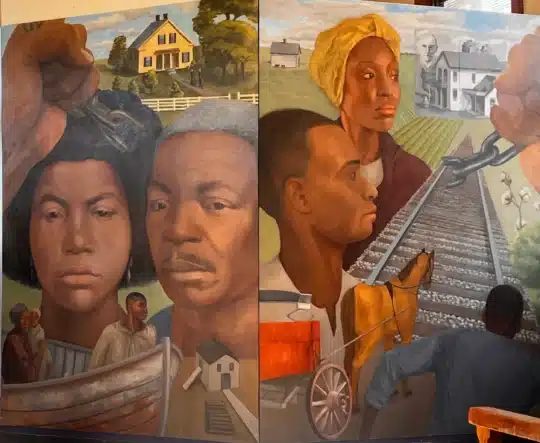
3. Freedom’s Trail: Underground Railroad in McDonough County
A new mural at Macomb Amtrak Station, which was unveiled on November, 7 2025, honors local Underground Railroad history and the bravery of freedom seekers and their supporters in the region. The mural, created by renowned local artist and Western Illinois University Professor Emeritus Michael Mahoney, will honor the stories of freedom seekers who passed through Western Illinois on their way to freedom in Canada.
The mural is painted on large masonite panels and features imagery of local families—such as the Blazers and the Allisons—whose homes served as safe havens for those escaping slavery. The local train station was chosen for the mural because, by the mid-1800s, many freedom seekers stowed away on trains through Macomb, making it a powerful setting to tell this story.
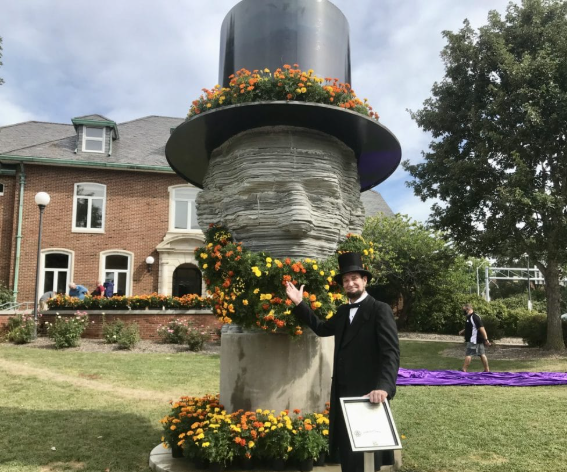
4. Living Lincoln Topiary Monument
The Living Lincoln Topiary Monument is a 16 foot high by 8 foot wide bust of our 16th President, Abraham Lincoln. It’s mixed media construction of durable cast stone and steel features a unique topiary aspect in which the 16th president’s beard consist of real living flowering plants and greenery, making it the only sculpture of its kind in the world!
The monument was designed as the centerpiece of Unforgettable Forgottonia‘s Looking For Lincoln Self-Guided Tour, which illustrates Abraham Lincoln‘s long and significant connection to Macomb and McDonough County.
As President of the United States, Abraham Lincoln was monumental in the fight to end slavery in the nation. His most significant steps toward ending the institution were the Emancipation Proclamation and his support for the 13th Amendment. Lincoln's presidency (1861-1865) coincided with the later years of the Underground Railroad's operation, and his Emancipation Proclamation in 1863 marked a turning point in the fight for freedom.
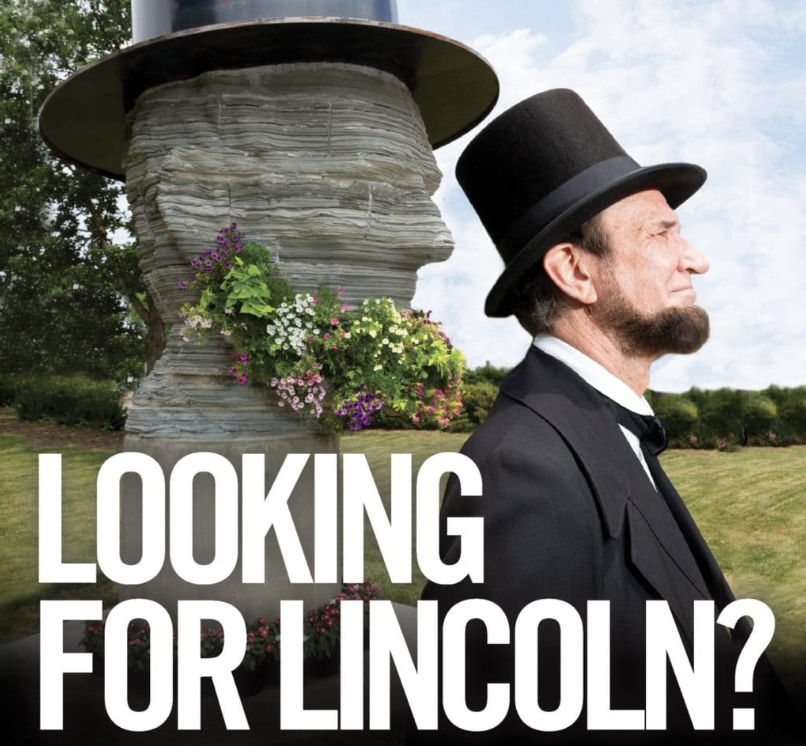
5. Looking for Lincoln Self-Guided Tour
Through the Looking For Lincoln offices in Springfield, IL and the U.S. National Parks Service, Macomb celebrates it’s designation as an Abraham Lincoln National Heritage Area by way of it’s Looking For Lincoln Self-Guided Tour. This unique attraction allows users to experience 10 significant sites throughout Unforgettable Forgottonia‘s Macomb and McDonough County directly related and pertaining to Abraham Lincoln, his remarkable connection to this Forgottonia community, and his contributions to the Civil Rights Movement.
Individual markers designate every one of the 10 Macomb Looking For Lincoln sites, which include specific QR codes that direct history seekers to detailed, online information on the particulars of each notable location, featuring in depth history, photos, maps and video of “Abe Lincoln” himself giving “first hand” descriptions of the sites.
The LFL marker tour includes the The Living Lincoln Topiary Monument, McDonough County Courthouse, The Randolph House, Oakwood Cemetery, The Blandin House Museum, Civil War Monument, The Wm. Painter Pearson Photography Studio site, as well as other significant area Lincoln historic sites.
Find a printable brochure for our Looking For Lincoln Self-Guided Tour and Living Lincoln Topiary Monument here.
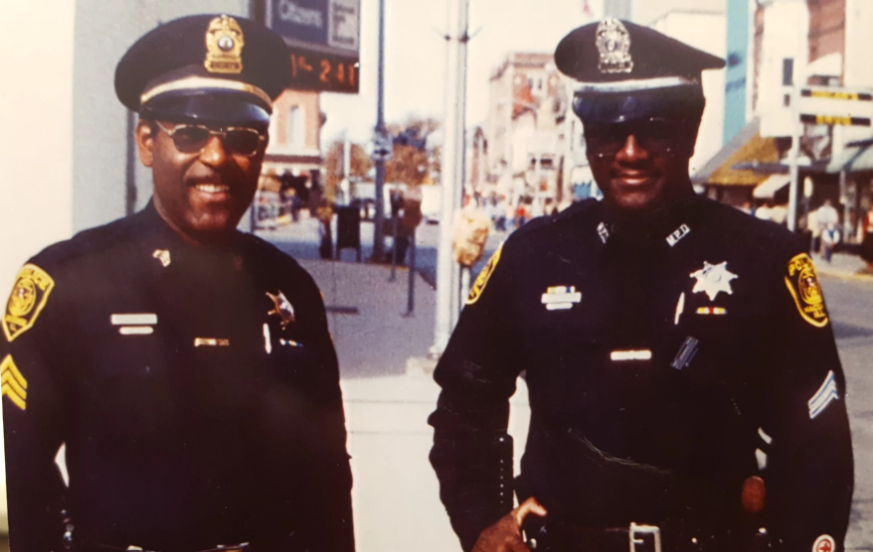
6. Bill Thorp Park
The William H. Thorpe Memorial Park on 1200 and 1300 blocks of East Pierce Street celebrates the life and community impact of Bill Thorpe, the first Black police officer to serve in the Macomb Police Department. The Park also adds a needed greenspace and neighborhood amenity in the northeast area of town, improving the quality of life for residents.
The story of Mr. Thorpe is inspiring and important. Bill Thorpe, born in 1933, grew up in Macomb and graduated from both Macomb High School and Western Illinois University. He served in the military from 1951-1955, including service in the Korean War. Thorpe joined the Macomb Police Department in 1961, becoming the City of Macomb and McDonough County’s first Black police officer. Thorpe was promoted to sergeant and served as an interim lieutenant.
Thorpe’s unwavering commitment to fairness and justice for all, regardless of race or ethnicity, endeared him to both Black and White communities. His exceptional communication skills and ability to bridge cultural divides made him a valuable asset in Macomb’s diverse community. Thorpe’s dedication to public service extended beyond his role as an officer; his selflessness and willingness to lend a helping hand earned him admiration and appreciation from all corners of the community.
Thorpe’s determination and perseverance in the face of discrimination and inequality served as a powerful example for his family and community, demonstrating the transformative power of one’s actions on the lives of those around them. His legacy will continue to inspire and encourage individuals of all backgrounds, reminding us of the limitless potential of the human spirit.
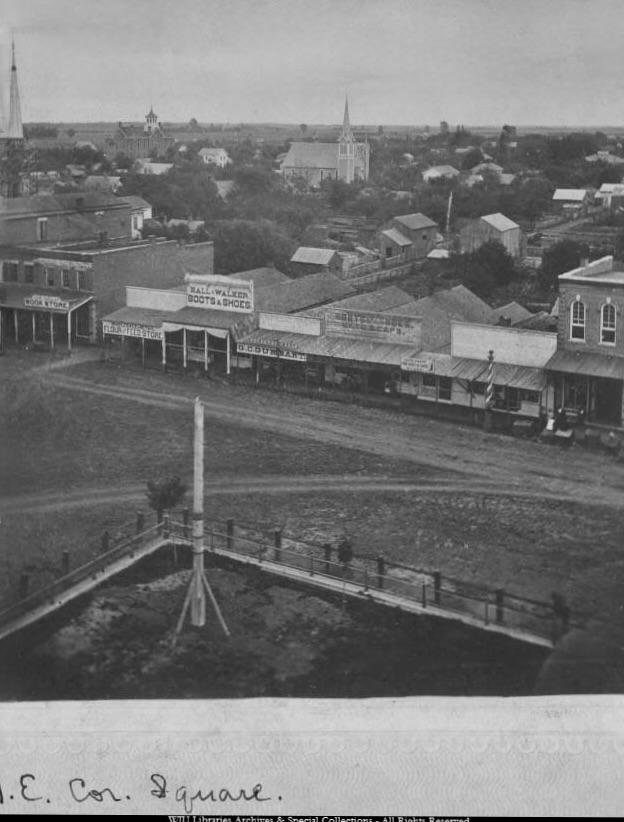
7. Macomb's First Black-owned Business
This location marks the site of Macomb’s first Black-owned business, a barber shop opened in 1872 by James B. Fields and William H. Ball.
James B. Fields: Born into slavery in Missouri, Fields escaped to Illinois in 1862. After arriving in Macomb in 1866, he trained as a barber and later became a renowned Baptist preacher and orator. He founded Macomb’s first Black church in 1875 and gained national fame for his lectures challenging the agnostic Robert G. Ingersoll.
William H. Ball: A Pennsylvania native, Ball was a dedicated local businessman and family man whose son also apprenticed in the trade.
Together, Fields and Ball established a landmark of Black entrepreneurship and community leadership in the heart of Macomb.
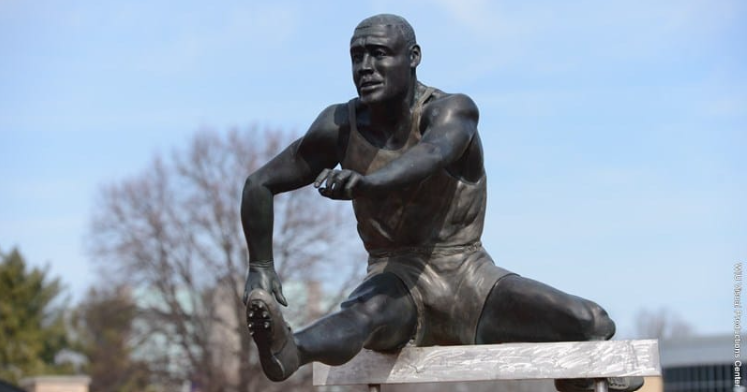
8. Olympic Trackstar Lee Calhoun
Lee Calhoun is an international track and field legend, a two-time Olympic gold medal winner and former Western Illinois University head track coach. There is a bronze sculpture of him leaping on display at the Hansen Field Track.
Calhoun won the AAU championships in 110 m hurdles in 1956 and 1959 and in 120 yd hurdles in 1957. Calhoun is the first athlete to win the 110m hurdles at two different Olympics. At the 1956 Summer Olympics Calhoun surprisingly improved his personal best in 110 m by almost a full second in a final. He ran 13.5 to win the gold medal, edging teammate Jack Davis with a lunge that just got his shoulder across the line in front. He had learned the maneuver from Davis.
Calhoun was suspended in 1958 for receiving gifts on Bride and Groom, a television game show, and seemed to be past his prime for the 1960 Summer Olympics. But shortly before the Rome Olympics, he tied the world record of 13.2 and went to the Olympic Games as a main favourite. In the final, he won in 13.98, beating teammate Willie May by 0.01 seconds.
After retiring from competition, he became a college track coach, first at Grambling State University, then at Yale, and finally at Western Illinois University. He was an assistant Olympic coach at the 1976 Summer Olympics.
He was elected to the United States National Track and Field Hall of Fame in 1974. Lee Calhoun passed away in Erie, Pennsylvania, aged 56.

9. Rodney Harrison (NFL Super Bowl Championship)
Rodney Harrison is another notable Macomb native thanks to his legendary athletic career, which began at Western Illinois University (1991–1993). A standout Leatherneck, Harrison still holds the school records for career tackles (345) and single-game tackles (28), earning First-Team All-American honors before being drafted into the NFL in 1994.
Over 15 professional seasons with the San Diego Chargers and New England Patriots, Harrison became a two-time Super Bowl champion and a three-time All-Pro safety. He made history as the first NFL player to record 30 sacks and 30 interceptions in a career. Following his 2009 retirement, he became a prominent sports analyst, most notably for NBC’s Football Night in America.
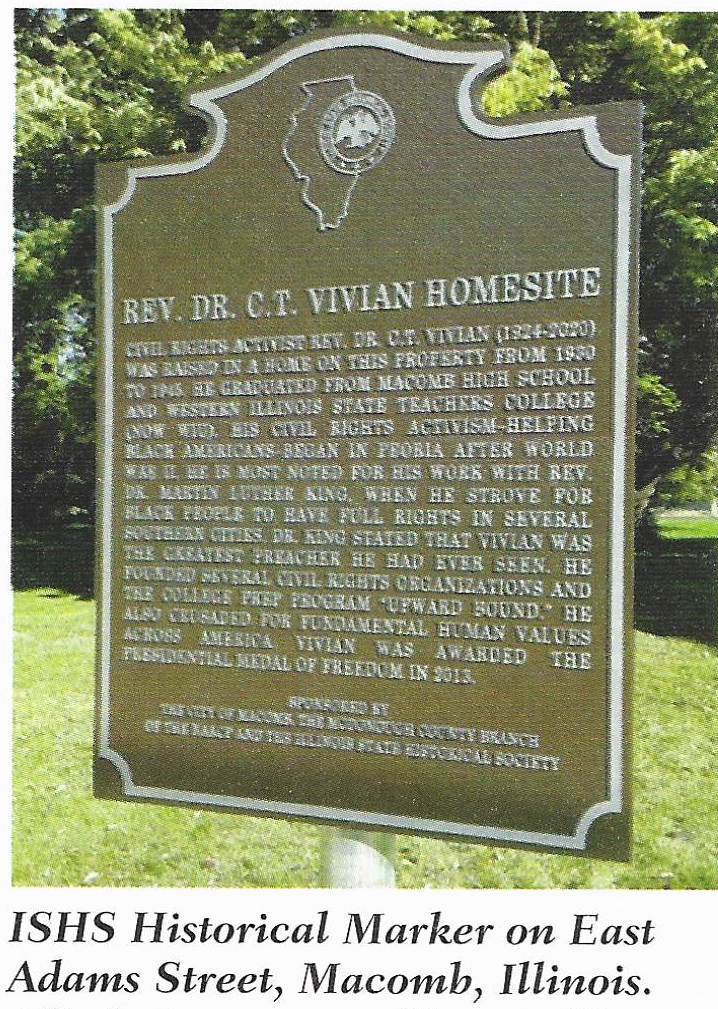
10. C.T. Vivian’s Former Family Homestead
Civil Rights Pioneer C.T. Vivian lived at this location in Macomb, IL, which was awarded an ISHS Historical Marker and plaque to commemorate his contributions to the Civil Rights Movement. He was a pioneering strategist and close confidant of Martin Luther King Jr. who played a critical role in the Civil Rights Movement through nonviolent action. He famously led the first lunch counter sit-ins in Nashville and courageously challenged Sheriff Jim Clark for voting rights on the steps of the Selma courthouse. Beyond his activism, he founded the "Vision" program (the precursor to Upward Bound) to provide college scholarships for students in Alabama and was awarded the Presidential Medal of Freedom in 2013 for his lifelong dedication to racial equality.
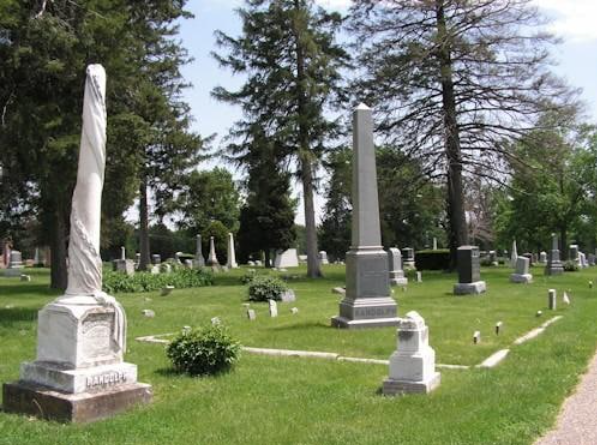
11. Oakwood Cemetery
Created in 1857, Oakwood Cemetery is remarkably historic. Its founder, William H. Randolph, a former sheriff and state legislator, was the leading Abraham Lincoln supporter in McDonough County. With 14,000 burials, Oakwood is by far the largest cemetery in McDonough County.
Oakwood was a celebrated burial place for Civil War soldiers. There are over 300 graves of men who served in that nation-redefining war.
Among the many noted graves are those of early county organizers and Macomb founders James Clarke and James Campbell; several Underground Railroad conductors in the Allison and Blazer families; noted business leaders including William H. Ball, Macomb’s first black business owner, and community activists like C. V. Chandler and Mary Ewing; crusading humanitarians Rose Jolly and Josie Westfall; early bacteriologist Ruth Tunnicliff, who developed the first inoculation for measles; Western Illinois University presidents Alfred Bayliss, Walter P. Morgan, and Dr. Frank Beu; noted Leatherneck coaches Ray “Rock” Hanson and LeRoy “Stix” Morley—to name but a few.
The Oakwood Cemetery is one of 10 sites that gave McDonough County Abraham Lincoln National Heritage Area status and can be visited as part of Macomb‘s Looking For Lincoln Self-Guided Tour.